
The Allure of Gambling: What Draws People In?
The thrill of casino gambling captivates many individuals, sparking interest that transcends mere monetary gain. This attraction can be attributed in part to the psychology of risk and reward, where the potential for a big win creates a compelling narrative. Gamblers often experience an adrenaline rush while placing bets, which can be intoxicating and lead to repeated behaviors. This phenomenon is rooted in the brain’s reward system, where the anticipation of winning triggers the release of dopamine, a neurotransmitter associated with pleasure. Many players find themselves drawn to various options, including an online casino experience that offers convenience and excitement.
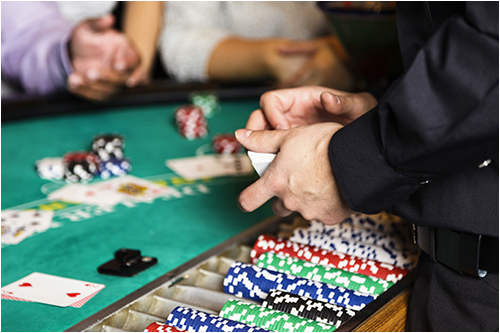
Moreover, the environment of a casino is specifically designed to enhance this allure. Bright lights, enticing sounds, and a lively atmosphere contribute to a sensory overload that keeps players engaged. These elements create a stimulating experience that can overshadow the reality of risks involved. As such, it is not just about the act of gambling but the engaging experience that can lead to compulsive behavior.
The Role of Cognitive Biases in Gambling Decision-Making
Cognitive biases play a significant role in how individuals approach gambling. Many gamblers fall prey to the illusion of control, believing they can influence the outcome of games based on skill or strategy. This misconception can lead them to make irrational decisions, such as betting more after a loss in hopes of a recovery. The gambler’s fallacy—thinking that past results influence future outcomes—also contributes to distorted decision-making. Such biases can perpetuate a cycle of behavior that keeps individuals returning to gamble, despite evidence of negative outcomes.
Additionally, selective memory further complicates a gambler’s relationship with the activity. Players often remember wins more vividly than losses, which can skew their perception of overall performance. This selective recall reinforces the idea that they are more successful than they truly are, encouraging continued gambling in pursuit of that elusive big win.
Understanding the Emotional Factors Behind Gambling Behavior
Many individuals turn to gambling as a form of escapism, seeking to alleviate stress or emotional pain. The thrill of placing a bet can provide a temporary distraction from life’s challenges, offering a chance to experience excitement and hope. However, this emotional coping mechanism can lead to problematic gambling behavior, as individuals may increasingly rely on gambling to manage their emotions. Over time, this reliance can escalate into an addiction, where the individual feels unable to stop despite negative consequences.
Emotions such as excitement, anxiety, and the desire for social connection also intertwine with gambling behavior. The social aspect of casinos, where individuals can interact and share experiences, can amplify positive emotions associated with gambling. However, this social environment can also encourage reckless behavior as players feel the pressure to conform to group dynamics, potentially leading to larger bets and longer playing sessions.
The Impact of Superstitions and Rituals in Gambling
Superstitions and rituals are prevalent among gamblers, influencing their choices and behavior in significant ways. Many believe that certain behaviors, such as wearing lucky clothing or following specific routines, can affect their odds of winning. This relationship between superstition and gambling behavior speaks to the human tendency to seek patterns and control in uncertain situations. Such beliefs can provide comfort but also contribute to continued gambling, as individuals feel empowered by their rituals.
These rituals can also become part of the gambling experience itself, reinforcing the allure of casinos. Players may engage in these behaviors out of habit or as a way to enhance their enjoyment of the game. However, when these superstitions lead to compulsive gambling, they can have detrimental effects on an individual’s financial and emotional well-being.

Conclusion: Understanding Gambling Behavior and Its Implications
Understanding the psychology behind casino gambling behavior is crucial for both players and those who support them. By recognizing the cognitive biases, emotional needs, and rituals that influence gambling, individuals can make informed decisions and seek help when necessary. This awareness can foster healthier gambling practices and reduce the risks of developing gambling-related problems.
As a hub for valuable information and resources on gambling, our platform aims to enhance awareness and provide guidance. We encourage users to explore the available resources to gain insights into gambling behavior and strategies for responsible gameplay. By fostering a safe and informative environment, we hope to empower individuals to make positive choices regarding their gambling experiences.